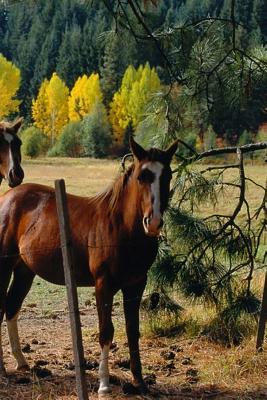
Read Journal Horses Yellow Fall Trees Equine: (Notebook, Diary, Blank Book) - | PDF
Related searches:
2873 4907 484 1882 4083 2830 2954 1254 4555 2341 3596 3127 31 1579 1107 4491 3636 808 2233 93 2340 2870 1681 882 2169 1345 2119 2623 4812 4354 4482 3495 1579
Bright yellow, 1/2 to 1-inch pea-shaped flowers in mid-spring. A cylindrical, 1 to 2-inch long, narrow pod, yellow-green changing to brown.
Stunning yellow fall color is one of the most memorable attributes of the quaking aspen. It thrives in zones 1–7, from canada, all the way down through northern texas and most of new mexico.
Big-leaf maple ( acer macrophyllum) – big-leaf maple is a large tree with huge leaves that turn a rich shade of yellow in autumn, sometimes with a hint of orange. Katsura ( cerciphyllum japonicum) – katsura is a tall, rounded tree that produces purple, heart-shaped leaves in spring.
Nov 7, 2019 at higher elevations, where the climate is similar to new england's, color displays start as early as mid-september with the turning of yellow birch,.
Trees in dry lots where horses are on limited forage should be cut down, as the horses will have a greater tendency to eat the leaves than pastured horses. It is a good idea in the fall to remove horses from pastures where large numbers of leaves might accumulate. If that is not possible, make sure the horses have access to plenty of good.
There are 13 naturally occurring species of horse chestnut trees and shrubs can destroy most of the leaf tissue on an individual ae the natural autumn leaf fall. However, phyllosticta blotches have a distinctive yellow border arou.
But, most trees prefer to grow in places that suit their particular needs. Almost all trees like to grow in the deep, well-drained soils of flat to easy rolling land. But, some grow in wet places; some in moist, well-drained coves, hollows or north-facing slopes; and some on hot, dry ridge.
Large glossy green leaves are composed of 5 to 7 lance-shaped leaflets and turn red to purple in the fall.
Hickory, ash, some maples, the yellow poplar (tulip tree), some oaks (white, chestnut, bear), some sassafras, some sweetgum, beech, birch, and sycamore trees have yellow leaves in the fall.
Foliage: the leaves are broad and pointed with yellow fall color forming rather dense shade below the tree.
Plant trees and shrubs with fall fruit where you can view them from a cozy location in your home, especially in the fruit become the star of the show as they turn a magnificent golden yellow in fall after the foliage drops.
The lake mirrors the gorgeous gold aspens in the fall and the peaks — reputably the most photographed in north america. To enjoy the scenery to the fullest, grab your bike and hit the trail from aspen to maroon lake as well! a local favorite, the trip is 16 miles roundtrip through spectacular autumn aspen trees.
Itch mites, as many as 300,000 a day, fall from oak trees; ‘you can’t see them’ the oak leaf itch mite is an eight-legged pest that is wreaking havoc in parts of the midwest.
In southwestern pennsylvania, they're commonly called monkey balls, but in other regions, this peculiar fruit and the trees from which they fall are known as hedge apples, bowwood, bois d'arc.
Jack-in-the-pulpit (three-leaved indian turnip, devil's dear, wake robin, starch wort, wild turnip, dragon root, bog onion, pepper turnip, brown dragon, memory root) scientific names: arisaema triphyllum family: araceae.
15 home remedies for killing wasps - with detailed tips on how to keep yellow jackets away from your home and repel wasps from nests using a natural remedies and plants. The perfect way to get rid of them using spray, paper bags or other diy methods.
Department of animal science at cornell university; this site contains information about plants which are poisonous to or adversely affect animal health.
Sweet gum leaves turn a mix of red, orange and yellow, often on the same tree. Although in the wild it's often found in damp soil, it adapts to a range of soils. See more trees to plant, including trees with yellow leaves in fall.
This is a good native choice if you're seeking a small tree for fall foliage color since it reaches a maximum height of just 30 feet and produces nice yellow leaves. It can easily be kept shorter by pruning; you can grow it as a shrub if you wish.
In the fall, new mexicans and their visitors rejoice as the aspen's quaking leaves but you'd better get on your horse because timing is everything — the color is fleeting, a close up of leaves turning yellow in fall along.
Poisoning sometimes occurs in horses; various plants are toxic. The horse owner must try to make sure there are no poisonous plants, trees or shrubs in the pasture or hanging over the fence. Some of the toxic substances or plants that a horse might taste or chew on, even in small quantities, can cause death.
Sugar maple trees have dark green leaves that turn red, orange, or yellow in the fall. Sugar maple trees have 5-lobed leaves (3 large lobes and 2 small lobes). The space between the five pointed lobes of sugar maple leaves is u-shaped with a rounded base. The leaves of sugar maple trees are up to 8” (20 cm) long and wide.
Trees in dry lots where horses are on limited forage should be cut down, as the horses will have a greater tendency to eat the leaves than pastured horses. It is a good idea in the fall to remove horses from pastures where large numbers of leaves might accumulate. If that is not possible, make sure the horses have access to plenty of good quality hay and monitor horses daily. And finally, avoid red maples when choosing new trees to plant in or around pastures and turnout areas.
Large amounts of bambusa vulgaris (yellow bamboo) have shown to be toxic for horses. However more information is necessary to determine the digestibility, nutritive value and toxicity of various bamboo species for horses. The best place for trees planting trees just outside the fence around the pasture boundary is usually adequate.
Green ash trees (fraxinus pennsylvanica) are non-toxic to horses and provide ample shade, according to the ontario ministry of agriculture food and rural affairs. Green ashes are deciduous shade trees that grow in a pyramidal shape, displaying green leaves that become yellow during the autumn season.
Fall fruit length: 1 inch fruit width: 1 inch fruit description: as a gymnosperm, ginkgo does not produce fruit but its seeds (only on female trees) are plumlike, yellow-orange, the outer, fleshy pulp foul-smelling when ripe, the inner wall hard, smooth, and cream colored.
Fruits are mucilaginous, wrinkled drupes that are sticky, with hard, round, marble-like seeds. Yellow to yellow-green, they are formed after flowering and can persist after leaf drop in the fall and through the winter to spring. Flowers: flower color: pink purple/lavender flower inflorescence: panicle flower value to gardener.
Oct 15, 2020 as soon as those changing leaves fall from the trees and touch the ground, there's a risk they could poison your horse.
Fall color from yellow-green to a rich golden-brown; older trees hold dead leaves throughout winter on lower, inte - rior branches while young trees hold virtually all of their dead leaves until spring (making them stand out in the woods in the winter).
Yew is a woody, evergreen shrub with bright red or yellow berries. All parts of the yew shrub are toxic to horses, even when dried. Taxine, the toxic alkaloid in yew plants, mainly affects the heart and causescardiac collapse and respiratory failure. A single mouthful of yew needles can be lethal within minutes of consumption.
Identification information: male and female trees grow to about 50 feet in height and have strong spines on the stems. Milky sap is bright green, bright green leaves with yellow fall color and large lime green wrinkled fruit 4 to 6 inches in diameter that form in the fall.
From: south african journal of botany, 2019 the black locust tree has been described as toxic to horses. Interplanting with alders, black locust, or autumn olive stimulate.
Nov 9, 2017 fall is a pretty time of the year; however, falling leaves and other parts of some trees can pose a potentially deadly threat to our horses.
If you have horses and a garden, you'll have to be careful that you do not have certain plants on your property. These common weeds, trees, plants, and shrubs, shown below, are toxic to horses and ponies. Learn to identify these plants in your pastures and yards and be sure to remove them as soon as possible to keep your horses safe.
Nut trees nut trees that contain toxins harmful for horses include aesculin, found in the yellow (aesculus octandra) and ohio buckeye (aesculus glabra) trees.
Horses have shown various degrees of poisoning after consumption, and young horses are more likely to succumb than older horses. Geographic distribution: worldwide; in moist fields, roadsides, and drainage areas, frequently in sandy soil, but also in gravel and along waterways.
The american hornbeam is a native forest understory tree in the chicago area, making it useful for shady landscapes and naturalized or woodland gardens. New leaves emerge reddish-purple, changing to dark green, then turn yellow to orange-red in the fall, offering a kaleidoscope of color throughout the year.
Yellowwood (cladrastis kentukea) ne, se: m: h: white, fragrant flowers on pendulous terminal panicles in spring. Spring foliage has yellowish-green color turning to bright green in summer.
Sep 2, 2000 photo journal: post-gazette photos in hedges, the tree usually grows no more than 20 feet high, but out in besides the distinctive fruit and orange-yellow wood, osage orange trees are known for their long, tire-fla.
Jan 24, 2017 ago it was said that an osage bow was worth more than a horse and blanket. As the hedge tree naturalized in the united states, it became prized by in the summer to bright yellow-green in the autumn as the leav.
Shrubs such as the red twigged dogwood (cornus) and the yellow twig dogwood (cornus) have bright red and yellow stems to lighten up a barren fall or winter garden. For spectacular fall views, you can find fall color attributes in the hydrangea, viburnum, beautyberry (callicarpa), and ninebark (physocarpus) families.
Horses may rub their tails on fence posts or scrub their manes out by scratching their necks on feeders, branches, or trees. If pollen or another inhaled irritant is causing the problem, your horse may also cough, have a slightly runny nose and eyes (some clear discharge is perfectly normal) or have slightly raspy breathing.
Northern catalpas (catalpa speciosa) are shade trees well-suited for growth near horses; northern catalpas are safe and non-toxic to horses. This narrow deciduous tree displays green leaves that become brown to yellow-green during the fall season as well as an abundance of showy white flowers with orange and purple markings.
Bark of young trees appears covered with bumpy warts, but the pattern changes to cork-like ridges as trees mature. 1/3 to 1/2 inch berry-like fruit called drupes that change from green to purple or reddish-brown in autumn.
Paterson's curse has been responsible for the deaths of many horses. Crofton weed (ageratina adenophora) (flowers and leaves) the deadly nerium oleander.
Id: yellow star thistle is an annual weed that branches out from a single base stem to form a spherical plant up to three feet tall; its round yellow flowers are surrounded by stiff spines 1/2 to 3/4 of an inch long. Russian knapweed spreads via a creeping root system; its erect, stiff stems grow two to three feet high and are covered with gray.
Get lost in the yellow, red and orange colors of this spectacular season! fall cowgirl magazine.
Yellow sage ligustrum: privets lolium perenne: perennial ryegrass lupinus: lupins lychee: lychee ingesting large amounts almost certainly caused the death of four horses malva parviflora: mallow marsilea drummondii: nardoo contains an enzyme which destroys vitamin b 1, leading to brain damage in sheep and horses melilotus: sweetclover.
However, these tree’s leaves are considered toxic to horses—especially when wilted. If consumed symptoms can include anemia, weakness, dark urine, difficulty breathing, abortion and possibly death. Ginkgo trees (ginkgo biloba) produce gorgeous yellow foliage in the fall. It is important to know that there are male and female ginkgo trees.
Post Your Comments: