Full Download Relationships in Development: Infancy, Intersubjectivity, and Attachment (Relational Perspectives Book Series) - Stephen Seligman file in PDF
Related searches:
Infancy Emotional and Social Development: Social Connections
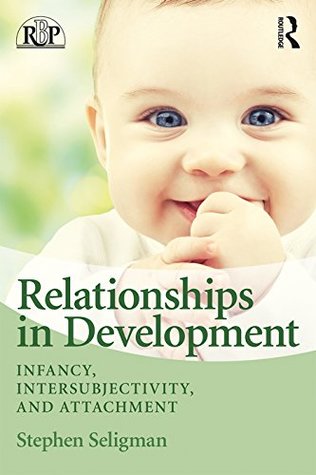
Relationships in Development: Infancy, Intersubjectivity, and Attachment (Relational Perspectives Book Series)
Emotional and Social Development During Infancy Lifespan
(PDF) Early relationships and the development of children
Social Development: Relationships in Infancy, Childhood, and
Relationship Building: Infants, Toddlers, and 2-Year-Olds - ERIC
Relationships: The Foundation of Learning and Development
Attachment and early brain development–neuroprotective
Infancy and early childhood matter so much because of attachment
The nature and role of relationships in early childhood intervention
OBJECT RELATIONS, DEPENDENCY, AND ATTACHMENT - Home
The relationship between infant peer interactions and - AWS
Infant Social and Emotional Development - MassAIMH
Kids Mental Health Info.com Understanding Infant and Early
Center on the Social and Emotional Foundations for Early - CSEFEL
Emotional Development and Attachment Lifespan Development
Communication: Infants and Toddlers VLS
2588 1323 2672 4076 2870 293 2049 2210 2145 142 4251 2815 895 649 4422 3351 4028 4469 3044 2196 2597 4416 780 1130 1645 228 3894 4117 2444 1954
Relationships in development examines the practical implications for dynamic psychotherapy with both adults and children, especially following trauma. Stephen seligman offers engaging examples of infant-parent interactions as well as of psychotherapeutic process.
Psychosocial development occurs as children form relationships, interact with others, and understand and manage their feelings.
This applies to the relationships between parents and children, caregivers and children, parents and�.
Peer interaction is one form of social interaction that has been shown to benefit the cognitive development of young children.
The baby's first relationship is generally with family members, to whom the infant expresses a range of emotions (and vice versa). If the social and emotional bonding between infant and family is faulty in some way, the child may never develop the trust, self‐control, or emotional reasoning necessary to function effectively in the world.
Your relationship with your child is the foundation of his or her healthy development.
Psychosocial development occurs as children form relationships, interact with others, and understand and manage their feelings. In social and emotional development, forming healthy attachments is very important and is the major social milestone of infancy. Attachment is a long-standing connection or bond with others.
The first stage of erikson's theory of psychosocial development occurs between birth and 1 year of age and is the most fundamental stage in life. Because an infant is utterly dependent, developing trust is based on the dependability and quality of the child's caregivers.
Loving, stable and responsive relationships are fundamental to your child’s development. Through relationships, children learn how to think, understand, communicate, behave, express emotions and develop social skills.
Building trust; paying attention; listening to your child's feelings; treating your baby with kindness and providing caring touch are all key to relationship building with.
Of attachment relationships is considered the predominant organizing force of infant and young child social development.
Peer interactions and your curriculum (2018) is an hour-long video about the importance of the early relationships infants and toddlers have with each other and the ways you can support this relationship development.
Early development, when infants are helpless, unfolds in the context of social relationships –the 'social brain'.
To answer such questions, researchers have focused on the development of security, confidence, and trust between infants and toddlers and their parents.
Relationship development changes in a teen's physical and cognitive development come with big changes in their relationships with family and friends. Teens want more independence and more emotional distance between them and their parents.
Jan 17, 2017 explore the role of a caregiver in child development, and how child to develop close, positive relationships with infants and toddlers.
This authoritative, engaging work examines the key role of relationships in child and adolescent development, from the earliest infant-caregiver transactions to peer interactions, friendships, and romantic partnerships. Sections cover foundational developmental science, the self and relationships, social behaviors, contexts for social development, and risk and resilience.
Their infants or children are very important for human development. The parent- child relationship can provide lifelong gifts, such as healthy brain development;.
The infant's early relationships with its parents are important predictors of later social development (see ainsworth.
Establishing a foundation of trust with your infant is key to helping your child feel and emotional development, communication and relationships with others.
Though babies form attachment relationships with other adults who care for them, the may have behavioural or developmental problems later in childhood.
During infancy and toddlerhood, children easily attach to others. Youngsters normally form their initial primary relationships with their parents and other family members. Because infants are utterly dependent on caregivers for food, clothing, warmth, and nurturing, erik erikson determined that children's primary task during this first psychosocial stage of life is to learn to trust their caregive.
Importance of a range of relationships for early childhood development leads us to think about many areas of policy and practice in a new light.
The relationships that children experience with each other during infancy.
Psychosocial development occurs as children form relationships, interact with others, and understand and manage their feelings. In emotional and social development, forming healthy attachments is very important and is the major social milestone of infancy. Attachment is a long-standing connection or bond with others.
An environment of relationships, and these re-lationships affect virtually all aspects of their development – intellectual, social, emotional, physical, behavioral, and moral. The quality and stability of a child’s human relationships in the early years lay the foundation for a wide.
May 29, 2019 infants and young children need connection to thrive. The child who loves the game peek-a-boo is in this stage of development. A child develops a secure attachment (or relationship) to their parents when the child.
The development of sibling relationships in infancy: a short-term lon gitudinal study.
3 theoretical approaches to the origin and development o f the infant-mother relationship are reviewed: psychoanalytic theories of object relations, social.
A simple game of peekaboo is a great example of how relationships, play and time together help with all areas of child development. When you play peekaboo with your baby, you hide your face behind your hands and pop out again.
Relationships are a critical contributing factor in the development of a young child’s social-emotional skills and overall development.
May 28, 2019 as horne (2018) explains, play allows young children to acquire and master skills across a variety of developmental domains.
Definition: infant and early childhood mental health refers to the quality of a child's first and early relationships and the child's social and emotional development.
Through relationships, children discover who they are and learn to understand others. Learn how you can help your infants and toddlers develop strong relationships with the people in their lives.
In adulthood, attachment representations shape the way adults feel about the strains and stresses of intimate relationships, in particular parent-child.
Post Your Comments: