Read Online Genshin’s Ōjōyōshū and the Construction of Pure Land Discourse in Heian Japan (Pure Land Buddhist Studies) - Robert F. Rhodes | PDF
Related searches:
Imagining the Afterlife――Hells and Paradise Envisioned by the
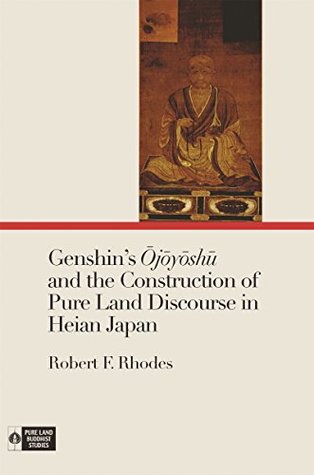
Genshin’s Ōjōyōshū and the Construction of Pure Land Discourse in Heian Japan (Pure Land Buddhist Studies)
那須 英勝 (Eisho Nasu) - Genshin's Ōjōyōshū and the Construction
Picturing the Afterlife: The Shōjuraigōji Six Paths Scrolls and
Amazon.com: Genshin’s Ōjōyōshū and the Construction of Pure
Ōjōyōshū Nihon Ōjō Gokuraku-ki, and the Construction of Pure
Genshin's Ojoyoshu and the Construction of Pure Land
The Influence of the Ōjōyōshū in Late Tenth- and Early
Genshin's Ōjōyōshū And The
Imagining Hell: Genshin\u27s Vision of the Buddhist Hells as found
[Blog] A Reflection on the “Pre-Modern Japanese Buddhism: The
Animals in Japanese Buddhism: The Third Path of Existence
The Political Culture of a Scroll: Jien's Appropriation of Kitano Tenjin
Pure Lands in Asian Texts and Contexts - Open Philology
Imagining Hell: Genshin's Vision of the Buddhist Hells as
The teachings essential for rebirth: A study of Genshin's
The teachings essential for rebirth;: A study of Genshin's
Read Download Birth Of The Maitreya PDF – PDF Download
The Buddhist ties of Japanese women - Iowa Research Online
Nissha Co., Ltd. Sponsoring of the special exhibition “Wonderland
The Teachings Essential for Rebirth: A Study of Genshin's
Birth Of The Maitreya – PDF Download
Genshin, Ojoyoshu and Pure Land - Dharma Wheel
Genshin Impact: Hu Tao's story quest and domain puzzles guide
Chapter 4: The Paradise Garden Japanese Gardening Handbook
Definition of Genshin - The Dictionary of Spiritual Terms
Gokuraku - Jigoku : Gofunai temples 34 and 35
A Reflection on the “Pre-Modern Japanese Buddhism: The Pure
Genshin : definition of Genshin and synonyms of Genshin (English)
3387 4525 4017 4449 4668 709 2883 3034 2336 126 990
The plot was based on genshin's ōjōyōshū and was adapted by kiyoshi miyata� about.
Genshin was a buddhist priest and scholar who belonged to the tendai sect. Genshin's doctrine is documented in his magnum opus, the ōjōyōshū (往生要集.
Hōnen was greatly inspired by the ōjōyōshū (“essentials of salvation”), written by a 10th–11th-century japanese buddhist, genshin, and the kuan-ching-su.
The appearance of robert rhodes’ genshin’s ōjōyōshū and the construction of pure land discourse in heian japan, in the year of the thousandth anniversary of genshin’s (942–1017) death, is very timely. This is a long-awaited scholarly work on the text that epitomizes the development of japanese pure land buddhist thought in the mid heian period (794–1185).
14 feb 2021 fra dante alighieri e l'ōjōyōshū di genshin: la società come inferno nell'opera di fukuzawa ichirō, pittore umanista e misantropo.
Genshin's ōjōyōshū and the construction of pure land discourse in heian japan (pure land buddhist studies) (hardcover).
Devala, the author of the ‘discourse on the mahāpuruṣa‘ (sanskrit – great or ideal man), wrote. The wise do not approve of loving-kindness without intelligence, nor do they approve of intelligence without loving-kindness; because one without the other prevents us from reaching the highest path.
The ōjōyōshū, written by the monk genshin (942–1017), is one of the most important texts in the history of japanese religions. It is the first comprehensive guide to the doctrine and practice of pure land buddhism written in japan and so played a pivotal role in establishing this form of buddhism in the country.
It is also said that genshin was responsible for creating the iconography of amida in welcoming descent (raigō) and the dramatic re-enactments of amida's advent.
Genshin's doctrine is documented in his magnum opus, the ōjōyōshū (往生要集 essentials of birth in the pure land), which in later copies of the text came complete with graphic depictions of the joy of the blessed and the suffering of those doomed to chaos.
Genshin (942-1017) was a major figure in the japanese development of pure land teaching, author of the essentials of rebirth [in the pure land] (ōjōyōshū), a manual which popularized the teaching and illustrated the path to salvation. His writing was instrumental in hōnen’s discovery of shan-tao’s teaching of nembutsu.
In his approach to rebirth in the pure land, genshin emphasized visual meditation practices, where later pure land sects favored verbal recitations such as the nembutsu. Genshin's doctrine is documented in his magnum opus, the ōjōyōshū (往生要集 essentials of birth in the pure land), which in later copies of the text came complete with graphic depictions of the joy of the blessed and the suffering of those doomed to chaos.
Mar 4, 2021 to complete hu tao's perfect send-off story quest, genshin impact players have to solve a puzzle in her domain that requires using blue.
In japanese, ishida mizumaro's kanashiki mono no sukui: ōjōyōshū (tokyo, 1967) summarizes genshin's life and the pure land teachings of the ōjōyōshū.
The ōjōyōshū was one of the first works on a pure land theme to have been composed in japan. It signalled not only a shift in genshin's interests but also the beginning of a transition in the history of japanese buddhism. In this work genshin quotes 654 passages from some 160 buddhist scriptures on the most important themes of pure land buddhism.
A collection of scriptural quotations outlining religious practices that lead to birth in pure land. It was compiled in 985 by the japanese buddhist priest genshin.
The teachings essential for rebirth: a study of genshin's ōjōyōshū.
Genshin’s ōjōyōshū and the construction of pure land discourse in heian japan. The ōjōyōshū, written by the monk genshin (942–1017), is one of the most important texts in the history of japanese.
Hungry ghosts, animals, humans, fighiting spirits and heavenly beings� genshin's view of the five realms in the ōjōyōshū.
The book, titled genshin’s ōjōyōshū and the construction of pure land discourse in heiancontinue reading “new book” posted by doug january 31, 2020 posted in buddhism� japan tags: jodo shinshu� jodo shu� pure land 2 comments on new book.
Genshin's influence in contemporary japanese culture today is primarily due to his treatise, ōjōyōshū, particularly the graphic descriptions of the buddhist hell realms (地獄 jigoku), which inspired a genre of horror and morality stories.
Genshin's doctrine is documented in his magnum opus, the ōjōyōshū (往生要集, essentials of birth in the pure land), which in later copies of the text came complete with graphic depictions of the joy of the blessed and the suffering of those doomed to chaos.
Cently published book genshin’s ōjōyōshū and the construction of pure land discourse in heian japan, marked the beginning of this whole-day event. Aaron proffitt (university at albany, suny) and christopher callahan (university of illinois urbana-champaign) commented on how professor.
Mar 14, 2018 on the one hand, for genshin, the nembutsu still chiefly meant meditative practice aimed at visualizing amida buddha and the pure land rather.
Sep 5, 2016 genshin's doctrine is documented in his magnum opus, the ōjōyōshū (往生要集 essentials of birth in the pure land).
After perusing good ol wikepeida it turns out genshin was a person, a buddhist monk to be exact. Well this guy genshin wrote a book called the ōjōyōshū which translates to “essentials of birth in the pure.
The essentials of rebirth in the pure land (ōjōyōshū 往生要集), which.
Genshin (942 – 1017), also known by the title eshin s ō zu, was a japanese buddhist priest of the tendai sect and patriarch of japanese pure land buddhism. Genshin was born in the village of taima in yamato province (modern nara prefecture) to a family of provincial gentry named urabe.
3 akṣobhya homa: fire offerings for the buddha of the eastern pure land.
The 1960 japanese film jigoku was influenced by genshin's ōjōyōshū among other works. In jodo shinshu buddhism, he is considered the sixth patriarch.
A collection of scriptural quotations outlining religious practices that lead to birth in pure land. It was compiled in 985 by the japanese buddhist priest genshin (942–1017) of the tendai school.
Mar 6, 2014 genshin's ojoyoshu (free english edition) english edition of ojoyoshu, composed in 985 by master genshin (eishin/eshin), the sixth patriarh.
This practice was a legacy of genshin's ōjōyōshū, which teaches a fervent pure land master shandao (613–681), whom hōnen discovered in ōjōyōshū.
Genshin's ōjōyōshū and the construction of pure land discourse in heian japan. De robert f rhodes y yehan numata professor of japanese buddhist.
Subjects: art history religion first chapter of the essentials of birth in the pure land (ōjōyōshū, 985) in pictorial form.
Influence of genshin's ojoydsht, pure land thought and practice spread rap-idly to all levels of society in the eleventh century. This assertion has become so common that it is rarely questioned. In this article, i investigate eleventh-century sources, such as novels and diaries of aristocrats, and prove that the ojoyoshi is mentioned infrequently.
Jien's primary source for the six realms cosmology must have been genshin's ōjōyōshū (essentials of salvation).
Genshin's influence in contemporary japanese culture today is primarily due to his treatise, ōjōyōshū, particularly the graphic descriptions of the buddhist hell realms (地獄 jigoku), which inspired a genre of horror and morality stories. The 1960 japanese film jigoku was influenced by genshin's ōjōyōshū among other works. In jodo shinshu buddhism, he is considered the sixth patriarch.
In genshin's ojoyoshu and the construction of pure land discourse in heian japan, the first book in english on the ojoyoshu in more than forty years, robert rhodes draws on the latest scholarship to shed new light on the text, its author, and the tumultuous age in which it was written.
The ōjōyōshū,written by the monk genshin (942–1017), is one of the most important texts in the history of japanese religions. It is the first comprehensive guide to the doctrine and practice of pure land buddhism written in japan and so played a pivotal role in establishing this form of buddhism in the country.
Jan 30, 2013 the ōjōyōshū of 985 (the essentials of pure land salvation), an immensely popular compendium written by the monk genshin (942–1017),.
Original woodblock print illustrated books (3) - genshin 源信 (942-1017) - jigoku rokudō gokuraku: ōjōyōshū 地獄六道極楽 往生要集 (hell, the six paths and paradise: the essentials of rebirth in the pure land) voll 1-3 (complete) - japan - 1843 (tenpô 14) title: jigoku rokudō gokuraku: ōjōyōshū 地獄六道極楽 往生要集 (hell, the six paths.
Imagining hell: genshin\u27s vision of the buddhist hells as found in the ōjōyōshū - core reader.
Rhodes, “genshin’s ōjōyōshū and the construction of pure land discourse in heian japan” later, daochuo (道綽, 562–645) reaffirmed the importance of awakening the aspiration for enlightenment, in addition to reciting the buddha’s name at the time of death, and also by attaining the “nembutsu samadhi”.
Genshin’s ōjōyōshū and the construction of pure land discourse in heian japan (pure land buddhist studies).
After perusing good ol wikepeida it turns out genshin was a person, a buddhist monk to be exact. Well this guy genshin wrote a book called the ōjōyōshū which translates to “essentials of birth in the pure land”.
Genshin, also known as eshin sōzu, was the most influential of a number of scholar-monks of the buddhist tendai sect active during the tenth and eleventh centuries in japan. Genshin, who was trained in both esoteric and exoteric teachings, wrote a number of treatises pertaining to the increasingly popular pure land buddhism from a tendai viewpoint, but his magnum opus, the ōjōyōshū had considerable influence on later pure land teachers such as honen and shinran.
Aug 26, 2014 as is apparent from genshin's ōjōyōshū, the term 'animal' had no exact semantic equivalent in premodern japanese buddhism; there were,.
كان في yokawa أن genshin أكمل ōjōyōshū في 985 ، ولكن ليس قبل إكمال أعمال أخرى أصغر في طرق التأمل لـ أميتابها بوذا. وخلال هذا الوقت أيضًا ، انضم جينشين إلى زملائه.
Genshin 源信 (942-1017) was a student of ryōgen who further developed tendai pure land thought and practice in his famous ōjōyōshū 往生要集, which not only influenced japanese religious thought, but also impacted art depicting the realms of rebirth in samsara and the pure land. Genshin’s perspective on the pure land was all-inclusive, as there were many different perspectives on pure land buddhism during his time.
Genshin's influence in contemporary japanese culture today is primarily due to his treatise, ōjōyōshū, particularly the graphic descriptions of the buddhist hell realms ( 地獄 jigoku ), which inspired a genre of horror and morality stories. The 1960 japanese film jigoku was influenced by genshin's ōjōyōshū among other works.
Nated in genshin's ōjōyōshū, completed in 985, just two years after senkan's death. As noted above, in the ōjōyōshū, genshin argues that the central practice.
Post Your Comments: